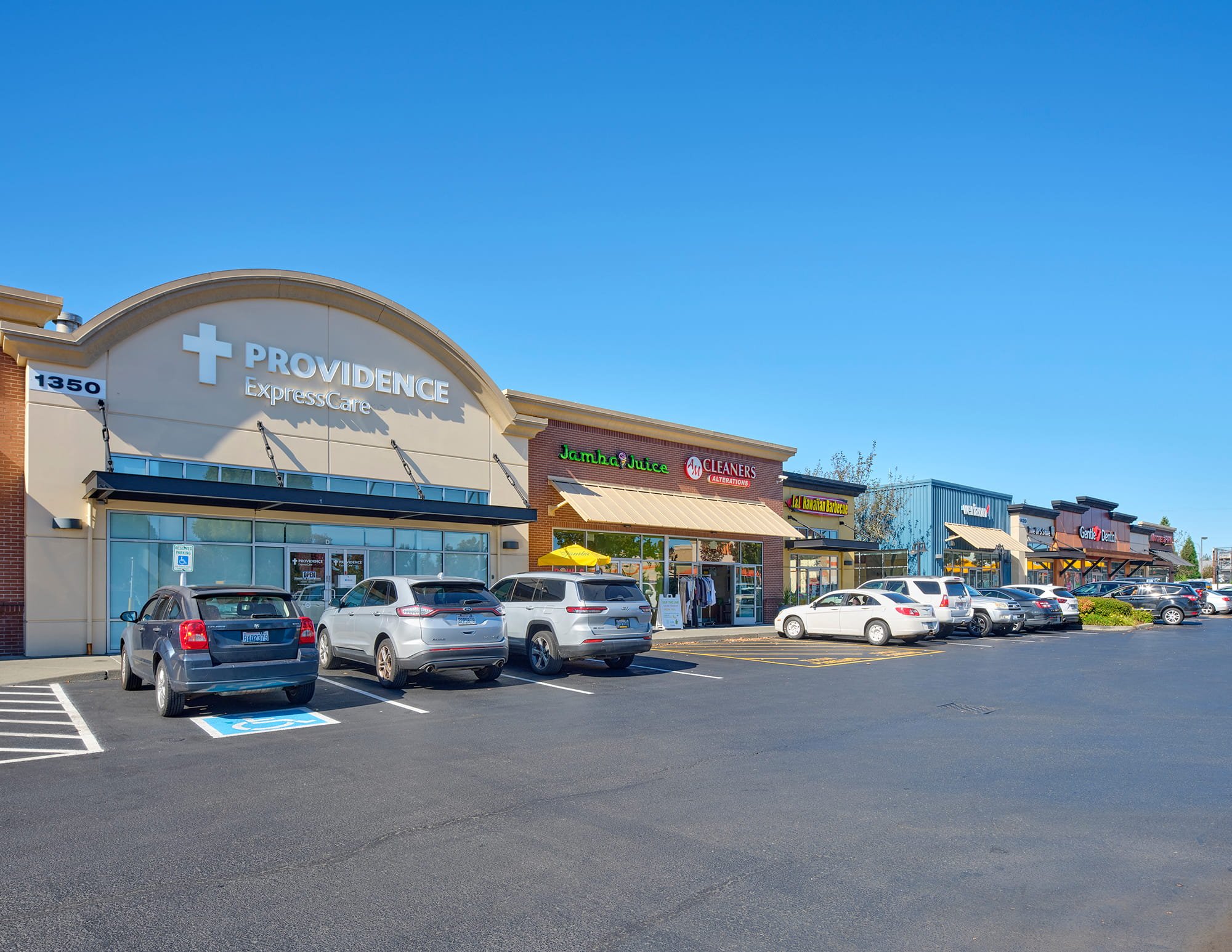
OUR CURB APPEAL
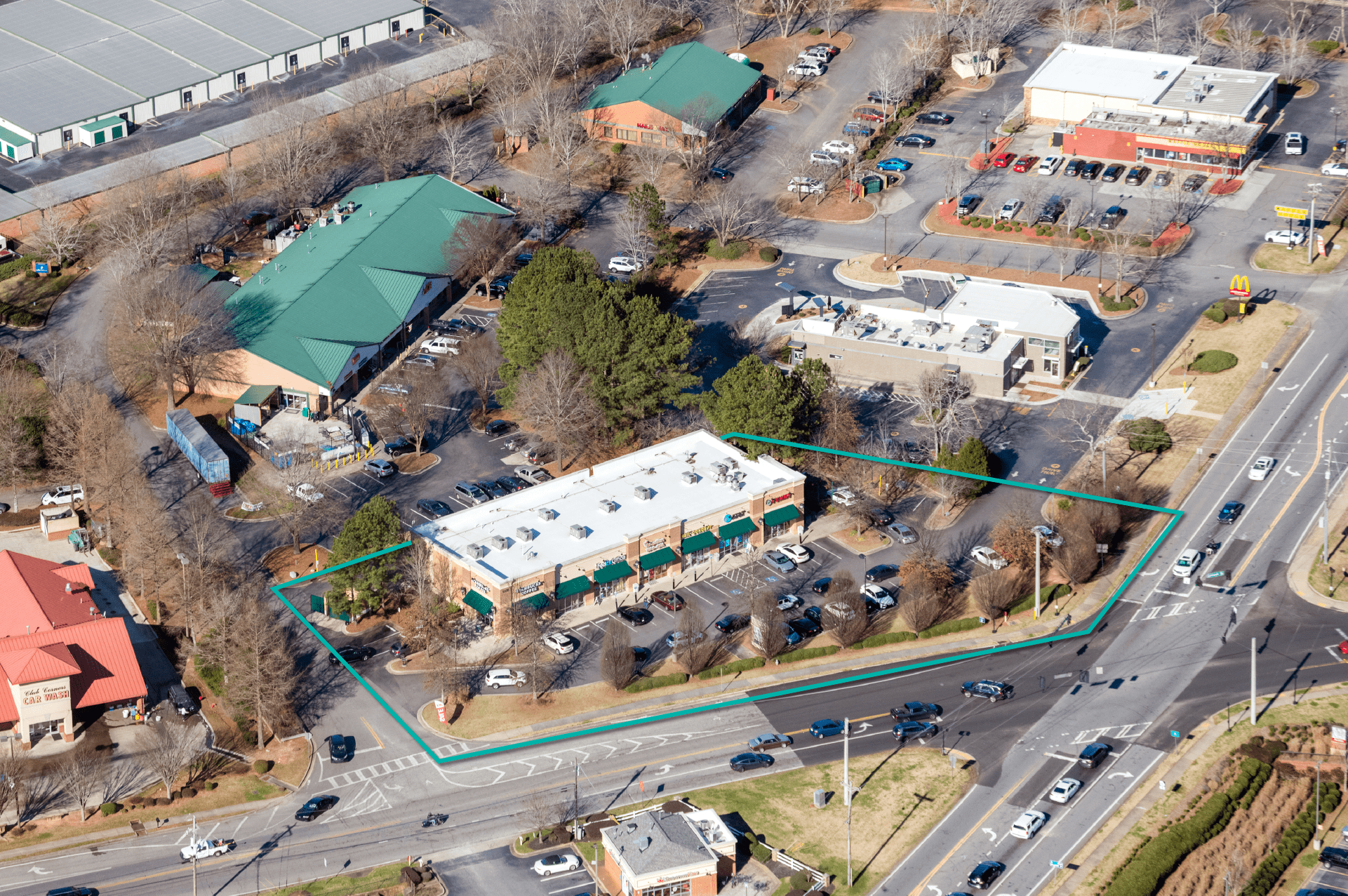
Curbline Properties (NYSE: CURB), formed as the first REIT exclusively concentrated on convenience real estate, owns and manages a portfolio uniquely positioned within the retail real estate landscape. Our convenience properties are located on the curbline of well-trafficked intersections and vehicular corridors, and offer dedicated parking, excellent access and visibility, and standardized unit sizes which attract a diverse group of primarily national, high-credit-quality tenants.
Curbline’s properties are geographically diversified across the most desirable markets throughout the U.S. The portfolio is generally situated in submarkets with compelling long-term population and employment growth prospects and above-average household incomes. We believe that our tenant diversification and the depth of leasing prospects for our homogeneous unit sizes mitigate credit risk and will allow us to maintain elevated leased rates across the portfolio, keeping us ahead of the curb.

THE CONVENIENCE OPPORTUNITY
Data analytics confirm that curbside real estate overwhelmingly caters to convenience trips from the growing suburban population, boosted by work-from home and limited supply. Assets offer dedicated parking and excellent visibility which has led to historically elevated retention and occupancy.

Convenience properties are laid out as a homogenous line-up of units that are attractive to a wide variety of high credit national tenants, including restaurant and service users, which limits long-term capital needs and obsolescence risk. Additionally, the standard lease structure helps protect against inflation with either fixed annual rent increases or renewal options embedded in tenant leases.

Convenience real estate makes up one of the most liquid retail real estate sectors with approximately $8B of properties trading on an annual basis providing an opportunity to scale a portfolio located in the top sub-markets of the U.S. There are no other public companies exclusively focused on this property type.
Sustainability
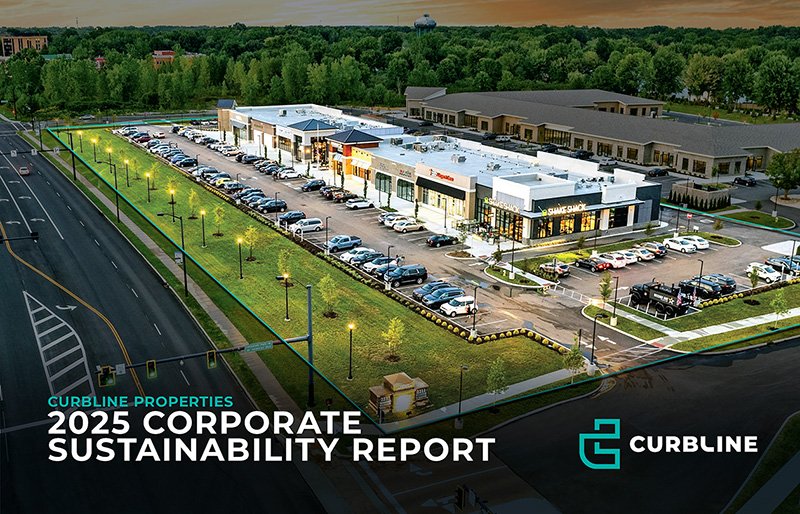
Curbline Properties is committed to establishing a strong foundation for measuring, managing and reporting our sustainability progress over time. With a focus on meeting the priorities of our key stakeholders (employees, communities and investors), our program is designed to integrate sustainability considerations across our business through three core pillars:
Environmental: We focus on key areas to improve the operational efficiency and environmental performance of our assets including energy efficiency, water conservation, and access to green and public transportation.
Social: Our core values drive our day-to-day operations and corporate culture and serve as a guide for our interactions with our employees, vendors, tenants, and the communities in which we live, work, and operate.
Governance: We believe that a Board of Directors comprised of diverse backgrounds and skillsets combined with an organizational commitment to transparent reporting promotes the long-term interests of our stakeholders and improves their understanding of our business.
We align our reporting with the Task Force on Climate-related Financial Disclosures (TCFD) and expect to align with GRESB standards for the 2025 reporting year.
Frequently Asked Questions
-
The convenience retail subsector has been tested through economic cycles, proving particularly adaptive to changes in consumer demands. It is this lack of obsolescence and continued desirability from tenants that makes the asset class so unique. Through extensive research into and experience within the asset class, we recognized that:
The financial performance of the small-format asset class is superior to other retail formats and many other real estate property types,
Geolocation data confirms that the property type attributes are aligned with consumer behavior and attractive to a wide mix of national, regional and local retailers, and
The total addressable market is significant, with over 68,000 convenience properties representing over 950 million square feet according to ICSC.
-
Our strategy is simple: We aim to own the highest quality portfolio of convenience shopping centers located in high household income communities. As the first mover and the only public company exclusively focused on the sector, we have an opportunity to scale an asset class, create significant value by constructing the premier operating platform, and benefit from being the largest operator in the property type. Curbline’s proven access to the public capital markets is a key differentiator from the largely private buyer universe acquiring convenience properties.
-
Curbline properties are primarily occupied by diversified group of primarily national, high credit quality tenants operating across a wide range of primarily service and restaurant businesses, including quick-service restaurants, healthcare and wellness, financial services, beverage retail, telecommunications, beauty and hair salons, and fitness, among others.
-
Convenience properties generate traffic due to their location on the curbline of major vehicular corridors providing access, visibility and convenience to the tenants that operate in the centers. As a result, they are not reliant on adjacent real estate or retail anchors to drive traffic. In fact, convenience centers, whether they are located adjacent to a shopping center or on a standalone parcel, achieve 3.5x more customers per square foot than anchored retail, supporting higher rents and retention rates as well as broad tenant demand.
-
There is a significant addressable market for convenience real estate in the United States with over 68,000 convenience properties representing over 950 million square feet according to ICSC. These centers account for 60% of total shopping centers by count and almost 13% by GLA. The Curbline portfolio as of today represents less than one percent of the industry providing a significant growth opportunity for Curbline across the suburban United States.
-
Convenience properties’ standardized site plans, high tenant retention rates, higher annualized base rents per square foot and the depth of leasing prospects that can utilize existing square footage generally result in lower operating capital expenditure levels as a percentage of annualized base rents over time relative to other retail real estate formats including grocery, lifestyle and regional power center properties. CapEx as a % of NOI has averaged 7% for Curbline’s portfolio (2020 to 2024), generating substantial free cash flow on an absolute and relative basis.